Sunday, October 3, 2021
Blog 8- The Hindrance of Anti War Voices
Thursday, September 30, 2021
Blog 7- Presentation Impacts: What I Learned
All the EOTO presentations were very well done. I learned a lot from each group. One of the topics that fascinated me was Salem's presentation on the history and use of carrier pigeons. While most of us have heard of carrier pigeons, I had no idea how they were really used. I had always thought that these birds just naturally knew where to go deliver messages to, when in reality, the pigeons only know one place to go and one place to return. I had no idea that carrier pigeons were such an important way of communication all over the world in the past that even powerful leaders such as Genghis Khan used them to transport messages.
Another presentation that stuck with me was Caroline teaching us about the history of the newspaper. As a journalism major, I was very interested in this topic. Most young people today have never read a concrete newspaper as many have gone digital. Newspapers in general are vanishing as they are taken over by social media platforms. Caroline's presentation reminded me of how important newspapers can be. I had no idea how the first newspaper started, but I now know that colonists of the United States started the first newsletter of sorts (Publick Occurrences Both Forreign and Domestick) to help establish a society. Since Great Britain still had control of the U.S. they shut down the publication. About fourteen years later, the first consistently printed U.S. newspaper was born, The Boston-News Letter. Newspapers were so important to the growing society of the United States to get any sort of news of what was happening there or back in Britain. It allowed colonists to feel involved and informed.
Friday, September 24, 2021
Blog 6- The Diffusion Theory: Apple Takes the World by Storm
In 2007, the iPhone took the world by storm and still does today. When in a room of young adult to middle aged Americans, I can guarantee that over half of them have a iPhone in their pocket or purse. Apple transformed their niche product for early adopters into a dominant economic force. When the iPhone was first released, it was still a "relatively niche product," confined to one wireless carrier and targeted at the early technology adopter. Now it has become a much bigger deal, in the first quarter of 2010, Apple sold 8.7 million iPhones. In the first quarter of 2018, Apple sold 47 million iPhones. The iPhone has become intertwined in our lives because it replaced so many other devices. It is all about convenience. Most young people don’t even have alarm clocks anymore,while it also replaced in-car GPS devices, MP3 players, and even flashlights.
IPhones are not only a product, but have become a status symbol. Apple's first smartphone represented a new age of technology that many people wanted to adopt early, especially the younger and middle aged generation. It was something shiny and new that caught on rather quickly due to the fact that Apple kept improving their product and making it more valuable. In today's world, iPhones distortedly represent the "upper class" or people with money. Apple has created such an image for their product that society assumes you must have money to have it even though that is usually not true. In a recent conversation in my human communication class, I even found out that Apple does not allow villains in movies to ever be shown with or using an iPhone. The company does not want their product associated with the antagonist of a story, which highlights how focused they are on their brand's reputation and why their sales are so high. The company has tweaked and perfected this image of the iPhone because you're not only buying the product, but also the elevated status that society now sees you in.
Of course there are always the late adopters or those who never adopt the technology at all. For the iPhone, that group of people is usually the older generation or those who think that Apple as a company is too powerful, and they do not want to give them money (that would be my older brother). Older generations have seen a lot of change in their lives but this relatively quick and drastic rise of technology can be overwhelming. Personally, I have seen this through my grandparents. Both of my grandmothers eventually gave in and got iPhones as we put them on our plan because it was easier, allowing them to be in direct contact with us all the time. My grandfathers on the other hand are perfectly happy with their flip phones.
Some would say that the iPhone has also created as many new industries as it destroyed with the rise of hundreds of thousands of apps and media platforms. In this case I think the positives can outweigh the negatives just pertaining to the iPhone itself, not social media. Although Apple is a big company that is already very large, I think iPhones are a good purchase, and just about everyone could benefit from adopting the technology. Since around half of those with smartphones in the United States have iPhones, it is easier to communicate and connect with others when having the same technology. It is many devices compiled into one, allowing for easy access to the internet, shopping, movies, music, and so much more. The world today and modern technology moves pretty quickly and if you don't keep up, you will easily be left behind. Technology (specifically iPhones/smartphones) are a big part of everyday life now as they make life easier and keep us connected.
Blog 5- Privacy in the Digital Age (or Lack Thereof)
Sunday, September 19, 2021
Blog 4- The History of the IPhone: Apple Begins to "Think Different"
Tuesday, September 14, 2021
Blog 3- Eight Values of Free Expression
While I strongly believe that protecting dissent is important, the value that feels most personal to me is individual self-fulfillment. Maslow's hierarchy of needs (pictured below) shows that self-actualization is at the top tier of human needs, although not everyone fulfills it. Motivation within oneself grows as the needs are met. "Free speech enables individuals to express themselves and thereby create their own identity — and, in the process perhaps, find kindred spirits. Freedom of speech thus becomes an aspect of human dignity, human agency and autonomy." As Americans, we are able to express ourselves anyway we like thanks to the First Amendment, allowing us to define ourselves and explore who we are as an individual. Self-actualization is a quite complex topic. It has been important to me for the past few years as I am trying to find myself and figure out who I am. I used to let others define my worth and I had no voice of my own, but as I have matured and gotten out of toxic relationships, I am slowly growing into someone I am proud of.
Somewhere most young people can express themselves as they discover who they are is social media. One of the main values I see in action today, especially in this digital age is promoting tolerance. Tolerance is defined as the "capacity to endure pain or hardship." While social media was invented with positive intentions, it has grown into the monster we see today. All media and digital platforms have made it easier for people to send hate anonymously, since it's protected by the First Amendment, it is a reality we have to live with. Although it can be argued it has made us more "tolerant" as a society, I don't think this is a good thing. We are constantly bombarded with negativity that we can't get away from because a majority of young people (including myself) are somewhat addicted to social media. I recently watched the documentary The Social Dilemma that discussed the dangers of social media, while it focused on the invasion of privacy the media platforms cause without us even knowing, it acknowledged the mental health problems it has also caused. When suicide and depression rates have skyrocketed since the invention of the internet, this "tolerance" can get out of hand, something needs to be done. Unfortunately, the documentary does not give us any sort of solid solution except deleting all of our social media, which could help, but then a young person would be more isolated from people their age as social media is their main way of communication, creating a lose-lose situation in the long run.
Thursday, September 9, 2021
Blog 2- The Supreme Court
Blog 15 - Technology: My Best Friend and My Worst Enemy
Walking around campus or even just sitting down anywhere and looking around, you will see almost all students using technology whether it...
-
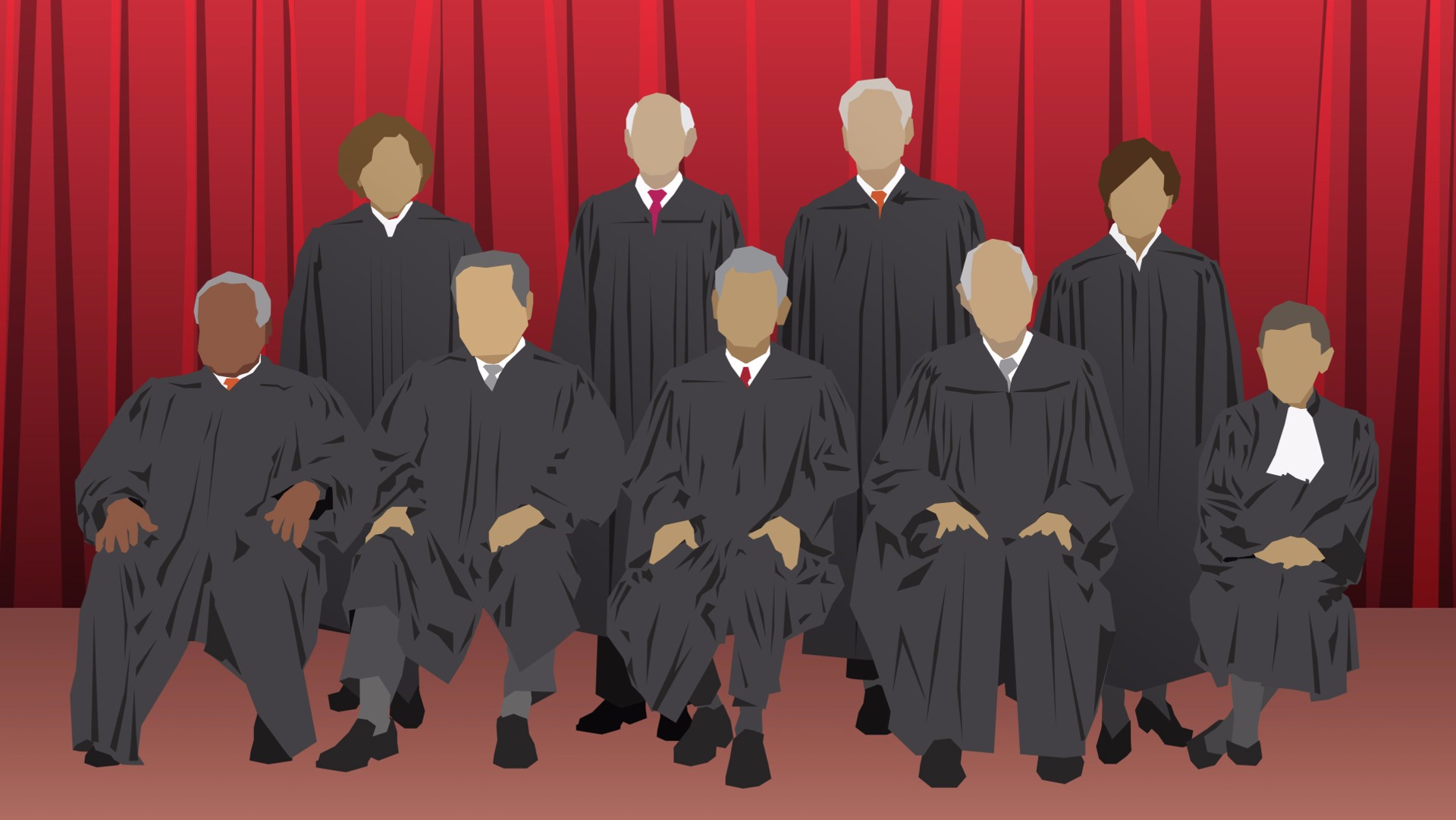
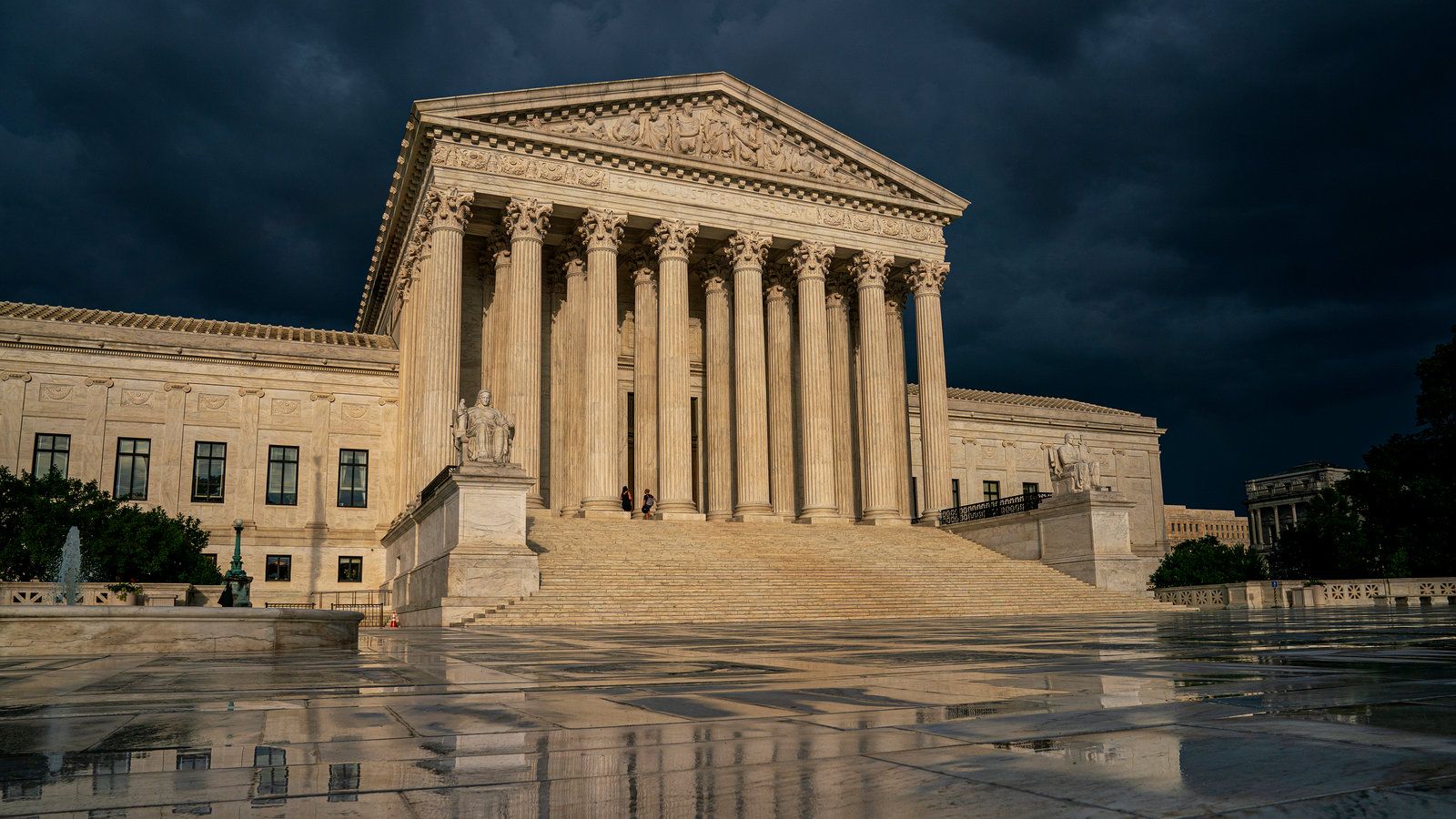
As I am taking two classes at High Point this semester that deal with law, they sometimes connect and overlap. In my first year seminar ca...
-
I have always had an irrational fear of robots, animatronics or any machine that resembles a human. I am now realizing that this fear may no...
-
When most American people think of propaganda, it is usually associated with times of war, especially World War I and World War II, but prop...